
How pets can support health, happiness and independence
This World Animal Day, we’re celebrating the many ways animals can enrich the lives of the people we support and our team members. Across Achieve together, we see every day how relationships with pets, farm animals and assistance animals can help people connect, build skills and enjoy new experiences.
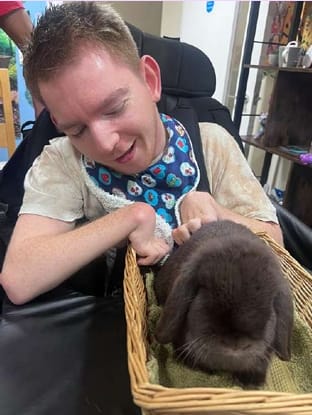
Animals can bring so much joy to everyday life. For people with learning disabilities, Autistic people and people with complex needs, spending time with animals can offer companionship, comfort and opportunities to build confidence. From much loved pets to farm animals, the right connection can support wellbeing in a way that reflects each person’s choices, interests and goals. Across our homes, we see the positive difference animals can make every day.
How animals bring comfort and companionship
Animals offer companionship without judgement, helping people feel calmer, less alone and more connected. Research into relationships between people and animals suggests they may also help reduce stress, improve mood and encourage social interaction.
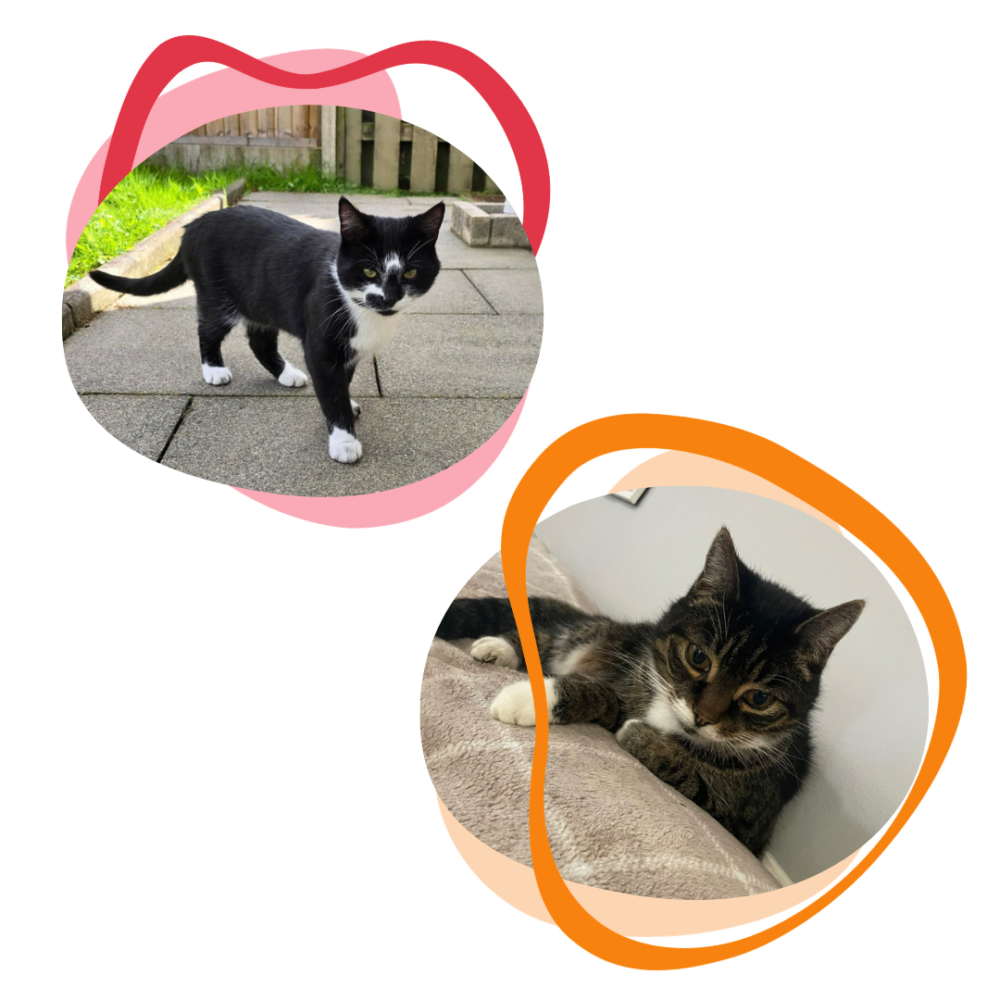
At our supported living home in Argoed, Midnight the cat belongs to one of the people we support, who wanted a companion and the opportunity to care for a pet. Feeding Midnight and making sure he is well cared for gives them a meaningful start to the day, while Midnight often curls up beside them for comfort and company.
Charlie, another cat from our supported living home in Blackwood has also built special relationships with the people he lives alongside. He often stays close to one Autistic person who does not use words to communicate, giving them the opportunity to stroke Charlie as part of their daily routine. Charlie moves gently around different people, helping these moments feel calm and comfortable.
Home Manager Kathryn Morgan said:
“It is lovely to see how Charlie adapts his behaviour around different people. When he walks in front of team members, he will often zigzag, but when he is beside the people we support, he stays to one side so they can move around safely.”
Enjoying movement and time outdoors
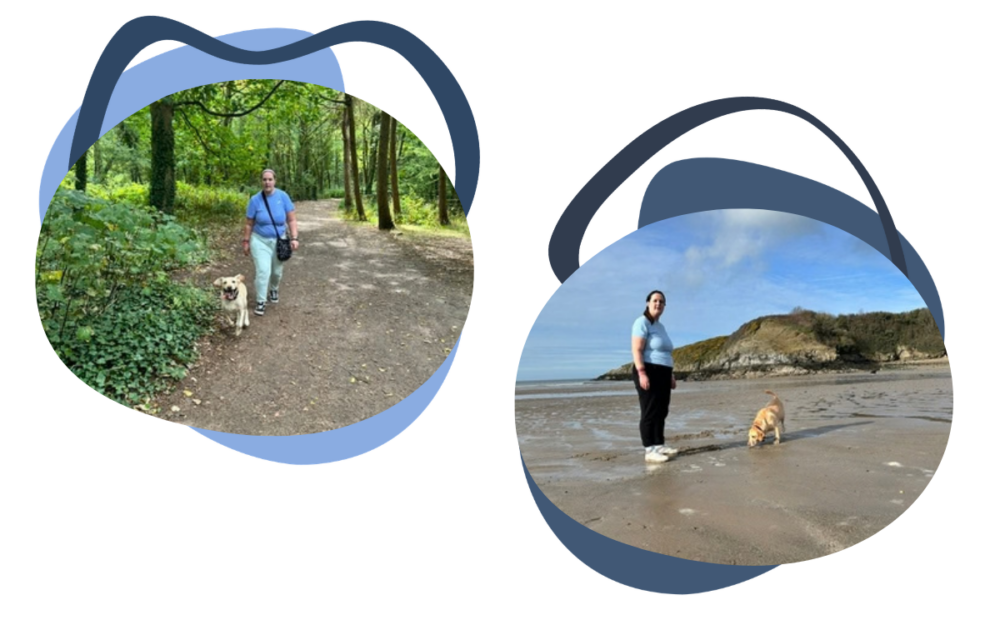
Animals can make movement feel enjoyable and purposeful. Oli, the dog from our Woburn Hill residential home, brings warmth and companionship to daily life. He is taken for two walks each day by the people we support at Woburn Hill, making fresh air and gentle activity a natural part of their routine. Research suggests that living with a dog can be linked with more frequent physical activity, but any activity should always reflect the person’s choices, abilities and support needs.
Growing confidence through caring for animals
Caring for an animal can create a meaningful routine and support people to build skills, make choices and take responsibility.
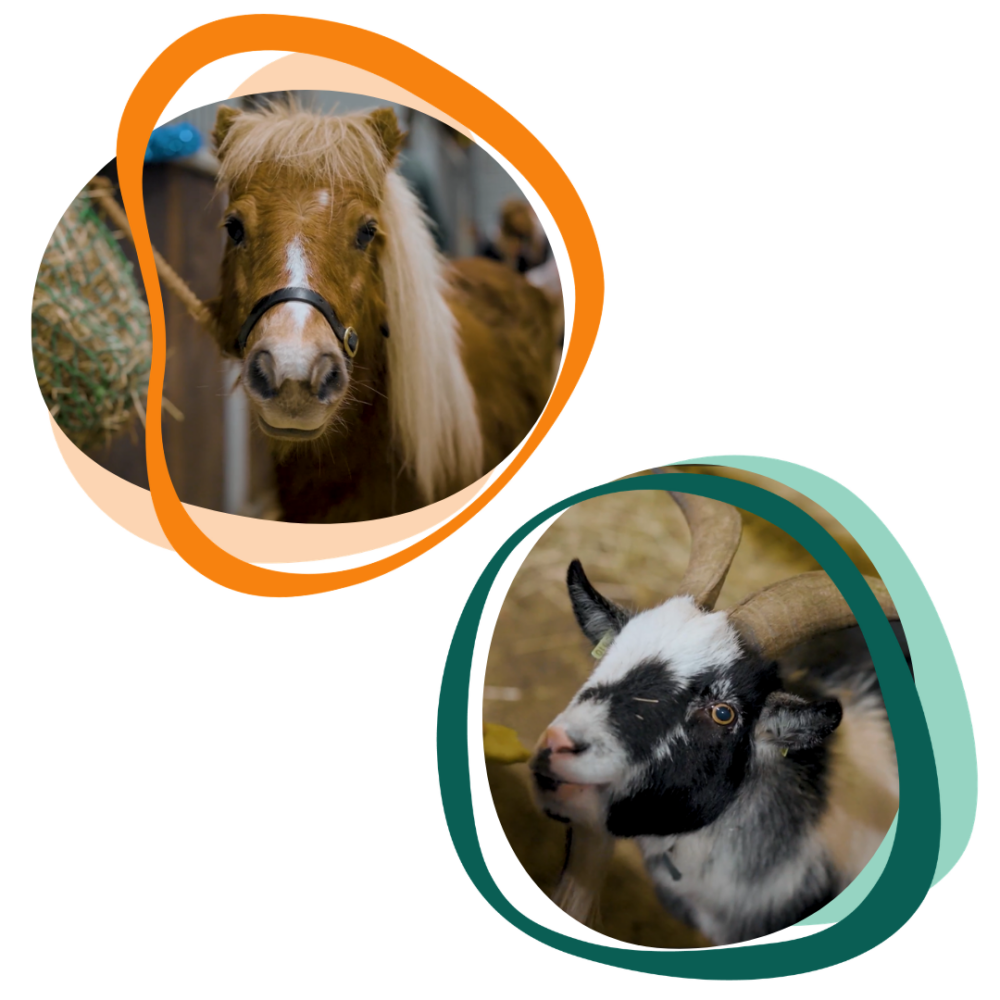
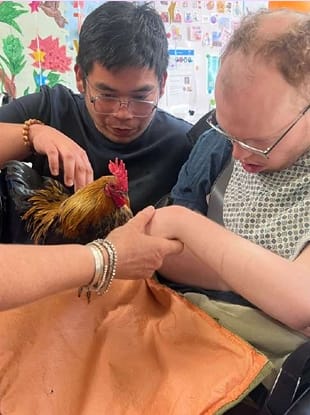
Animals are part of everyday life at Beudygwyn, our residential home and farm. The people we support enjoy spending time with goats, sheep, chickens, ducks, farm cats and their own pets. The goats are particular favourites, offering excitement, sensory experiences and plenty of laughter. Herding, feeding, cleaning and caring for them also encourage purposeful movement.
Several people have their own pets, including cats and rats, while one person has their own sheep and enjoys helping the team care for the other farm animals. These responsibilities help maintain fitness, build confidence and spend time doing something they enjoy while being active.
Louise Parry, Home Manager at Beudygwyn, said:
“The animals really are a huge part of what makes Beudygwyn unique. Being able to offer people the opportunity to live in a home where they can have their own pets, interact with farm animals and be involved in caring for them is a huge benefit.”
Beudygwyn is continuing to develop these types of opportunities, with plans for a farm hand to help people become even more involved in caring for the animals and learning about farm life.
Trained animals
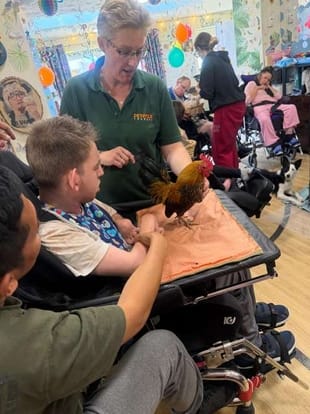
These benefits are not limited to owning a pet. Assistance animals are trained to support people with practical tasks, guidance and reassurance, while therapy animal visits and activities can give people who do not have their own pet an opportunity to enjoy time with animals.
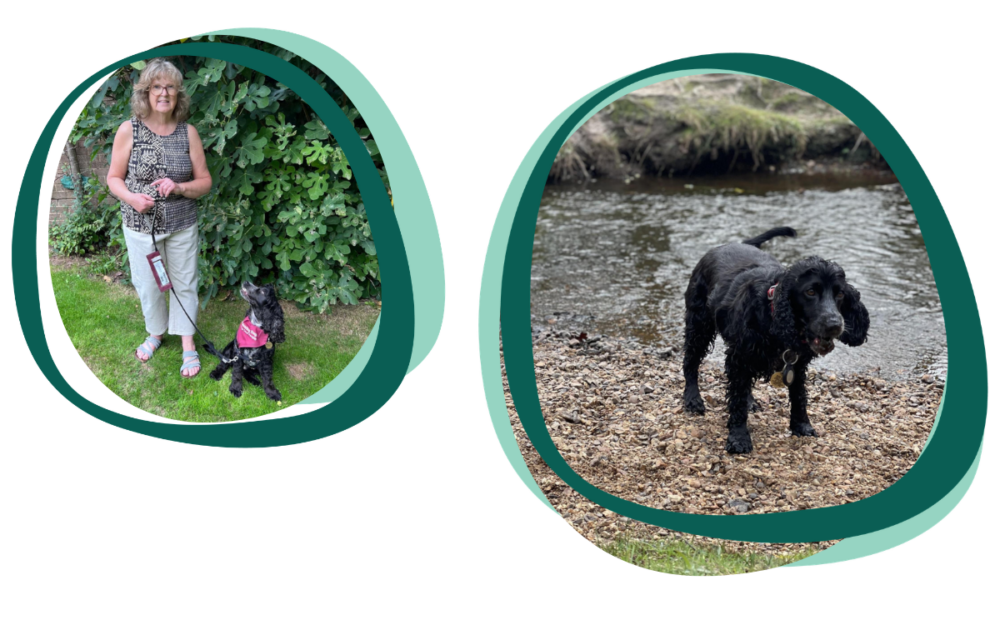
Lyra is a fully trained service dog who comes to work with her owner, Wendy, a team member who has worked for Achieve together for 15 years at one of our D/deaf specialist homes. Wendy is deaf, so Lyra accompanies her while she is on shift, providing valuable support throughout the working day. Lyra has supported Wendy for three years and was trained by Hearing Dogs for Deaf People. She is currently working towards her silver award after achieving bronze.
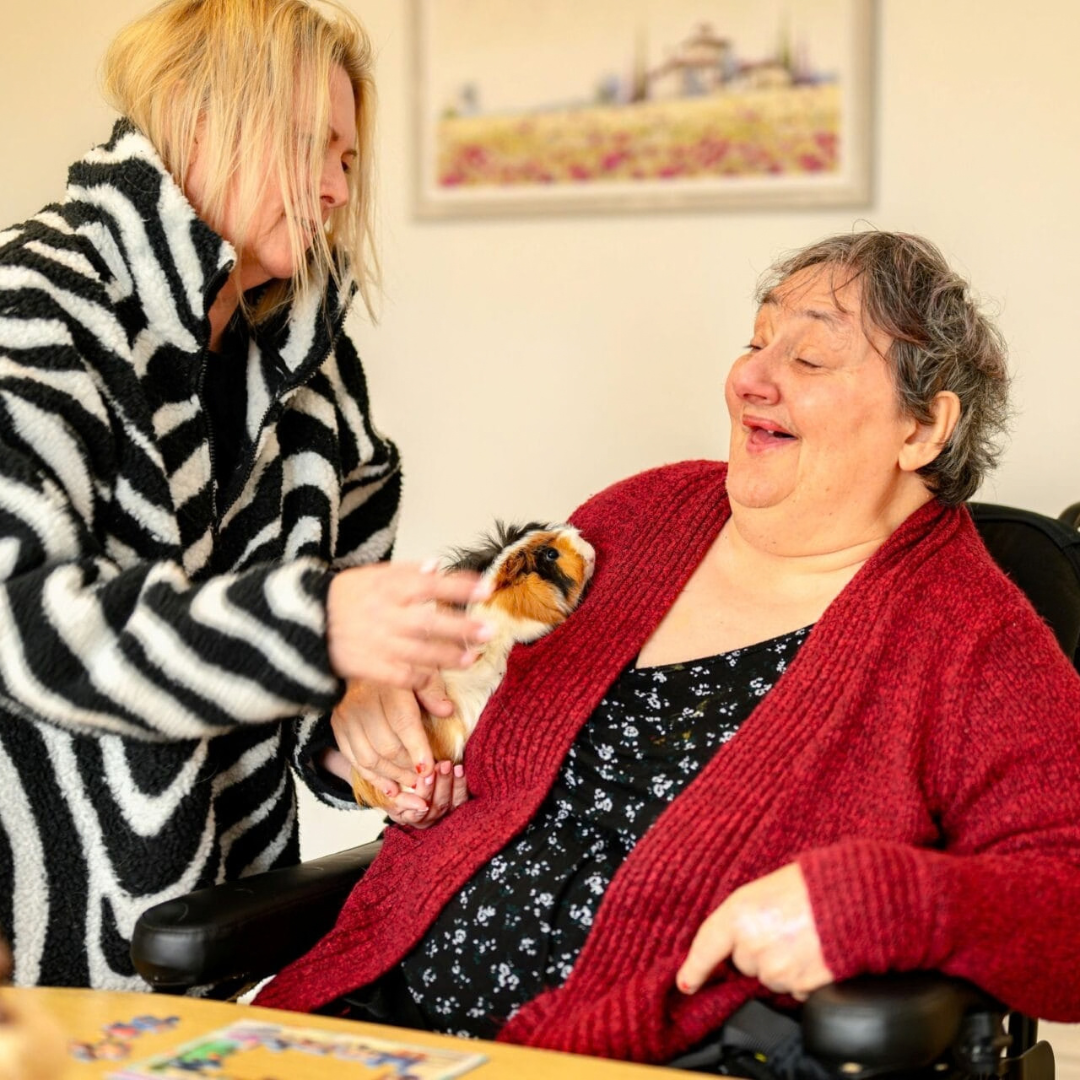
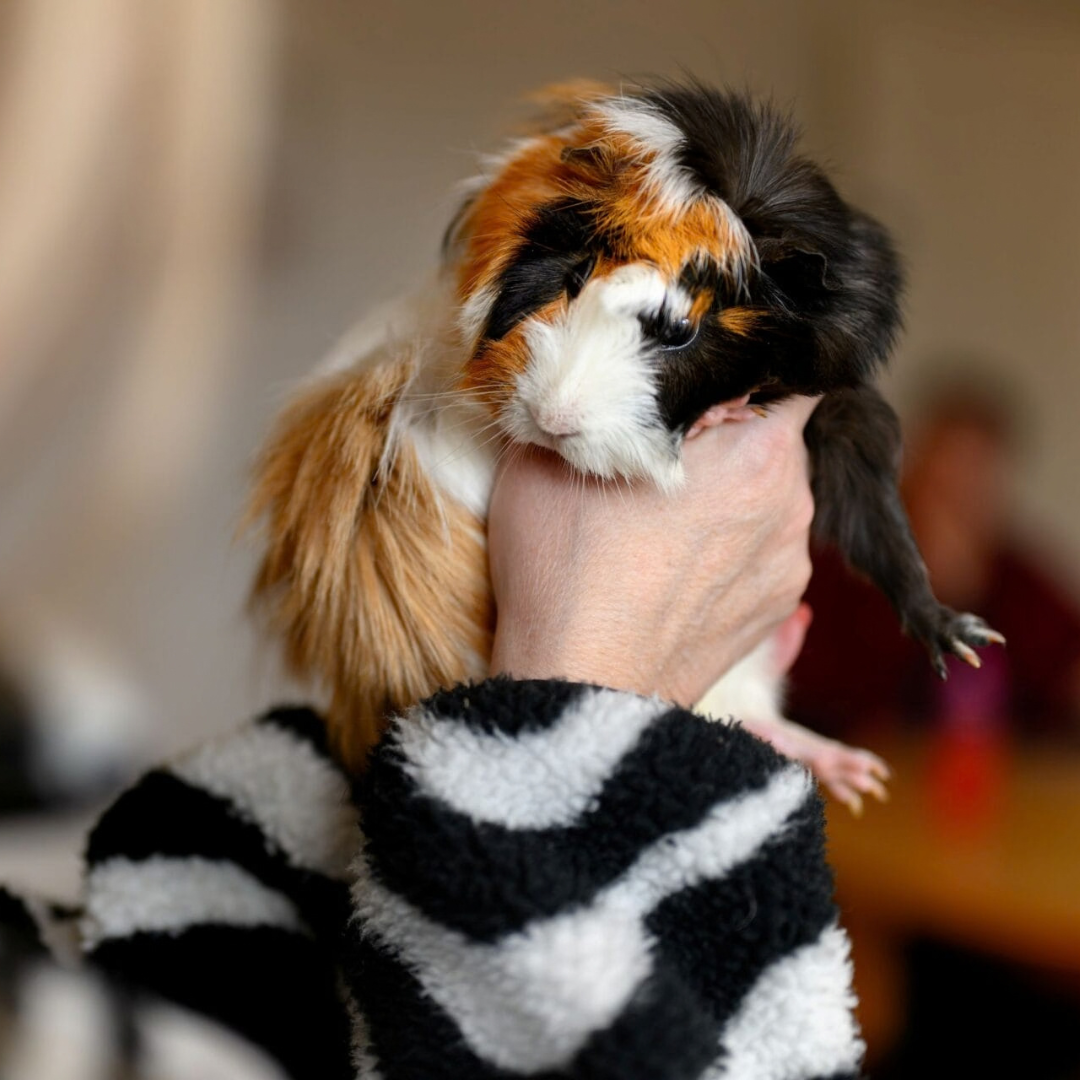
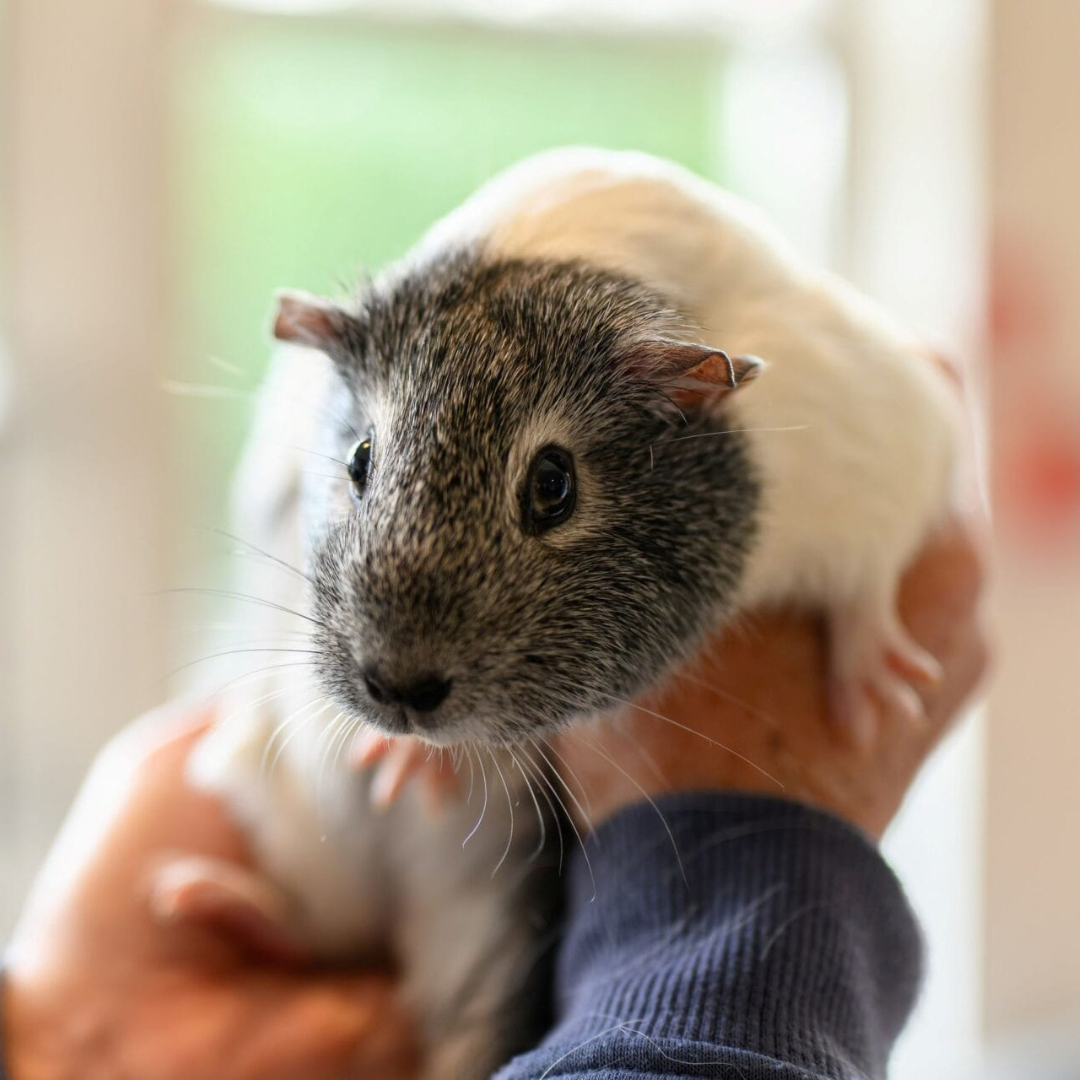
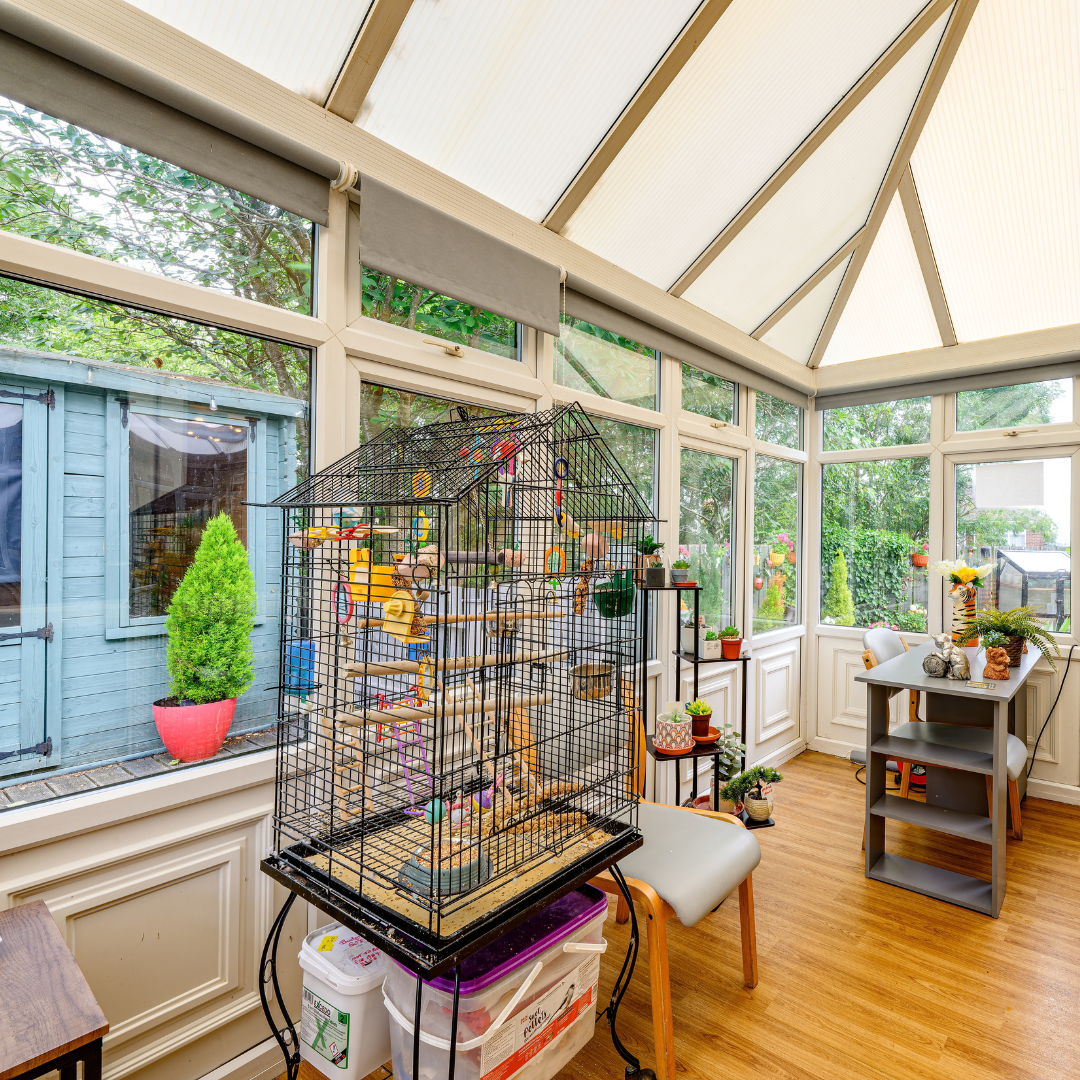
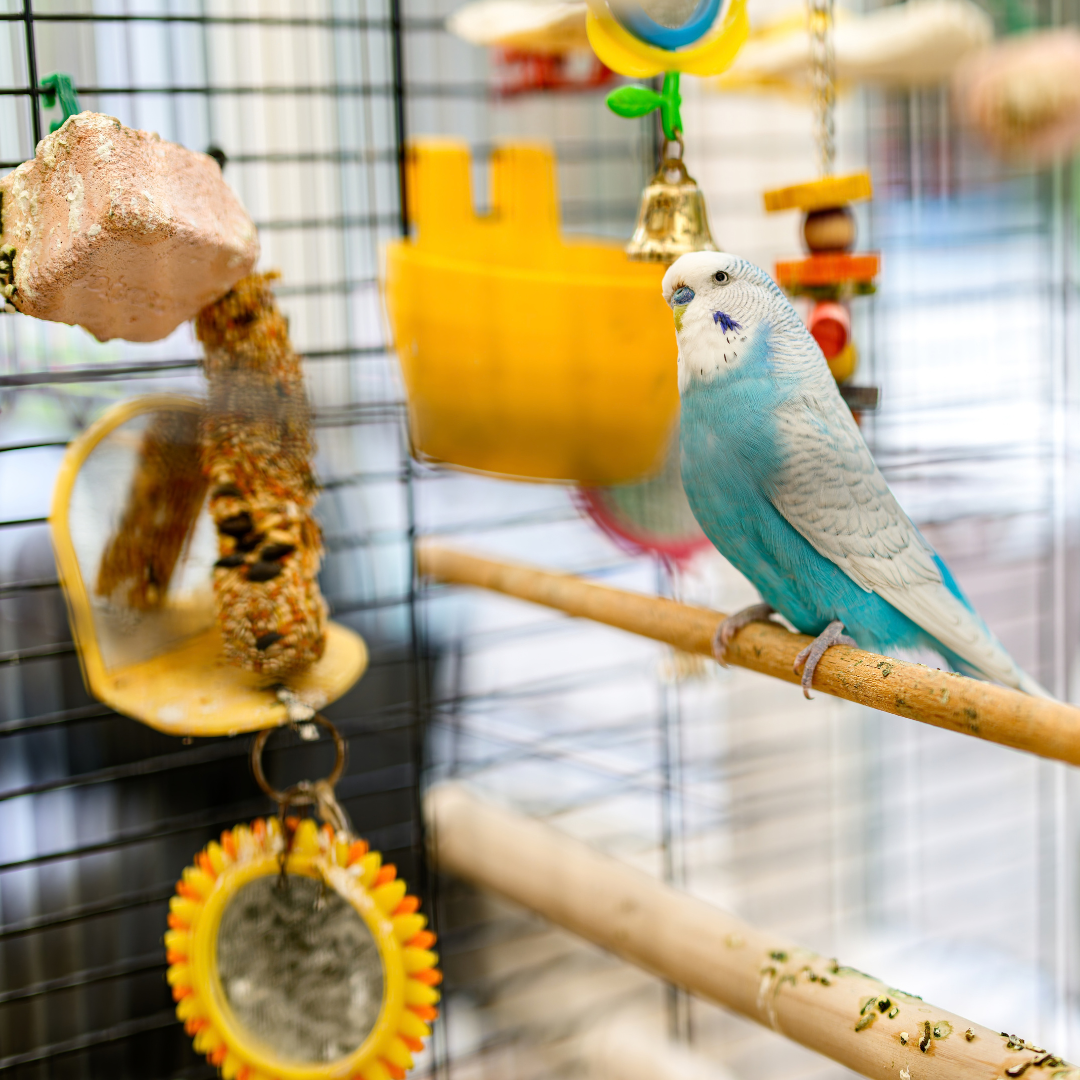
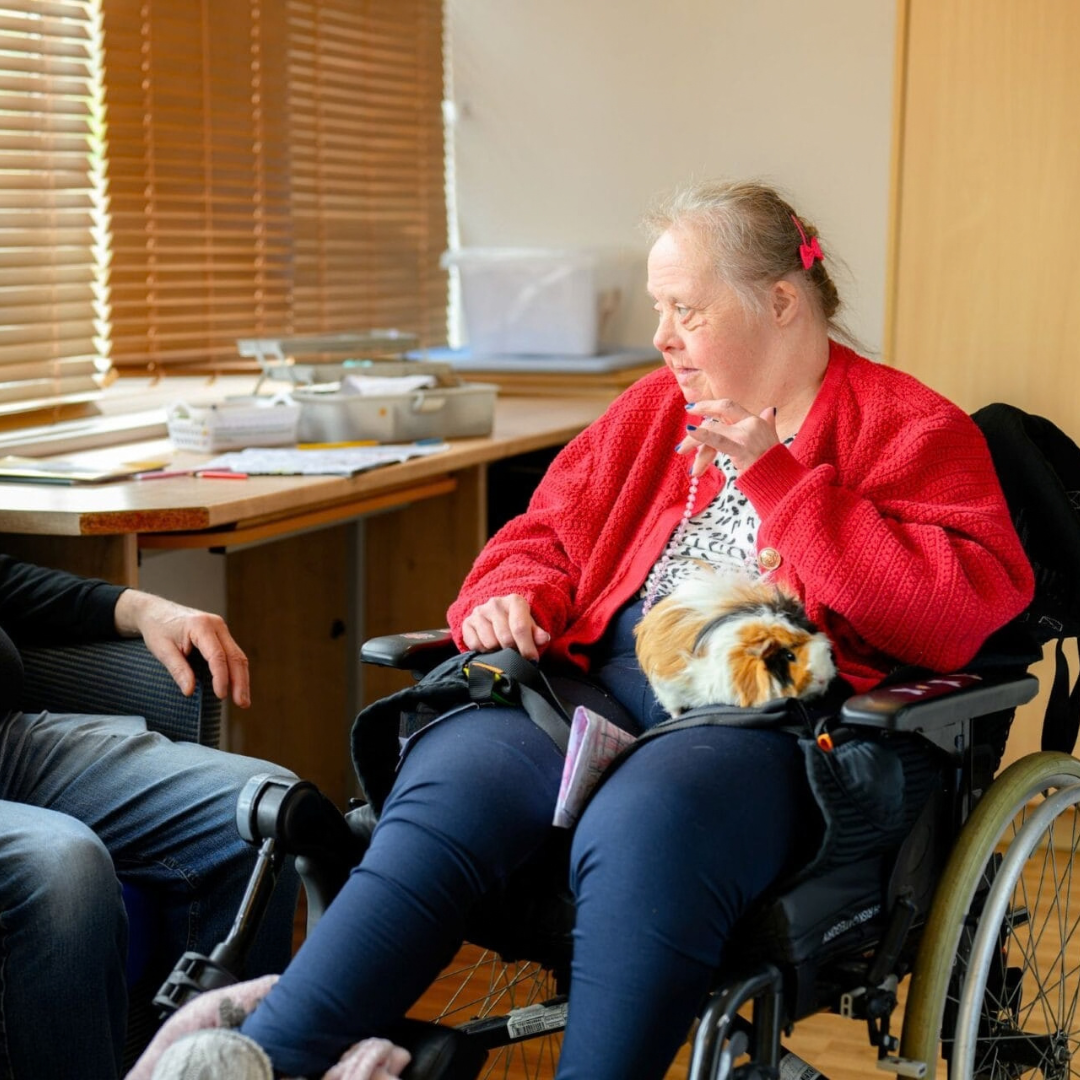
Whether offering quiet companionship, encouraging time outdoors or giving someone a meaningful role in their daily care, animals can bring comfort, joy and a sense of purpose. At other homes, the people we support also enjoy spending time with animals such as guinea pigs, fish, horses and birds. Every person’s relationship with an animal is unique, so the support they receive should always reflect what matters to them, helping them make choices, enjoy new experiences and build confidence in a way that feels right for them.

Need help finding the right support? We're here for you.